
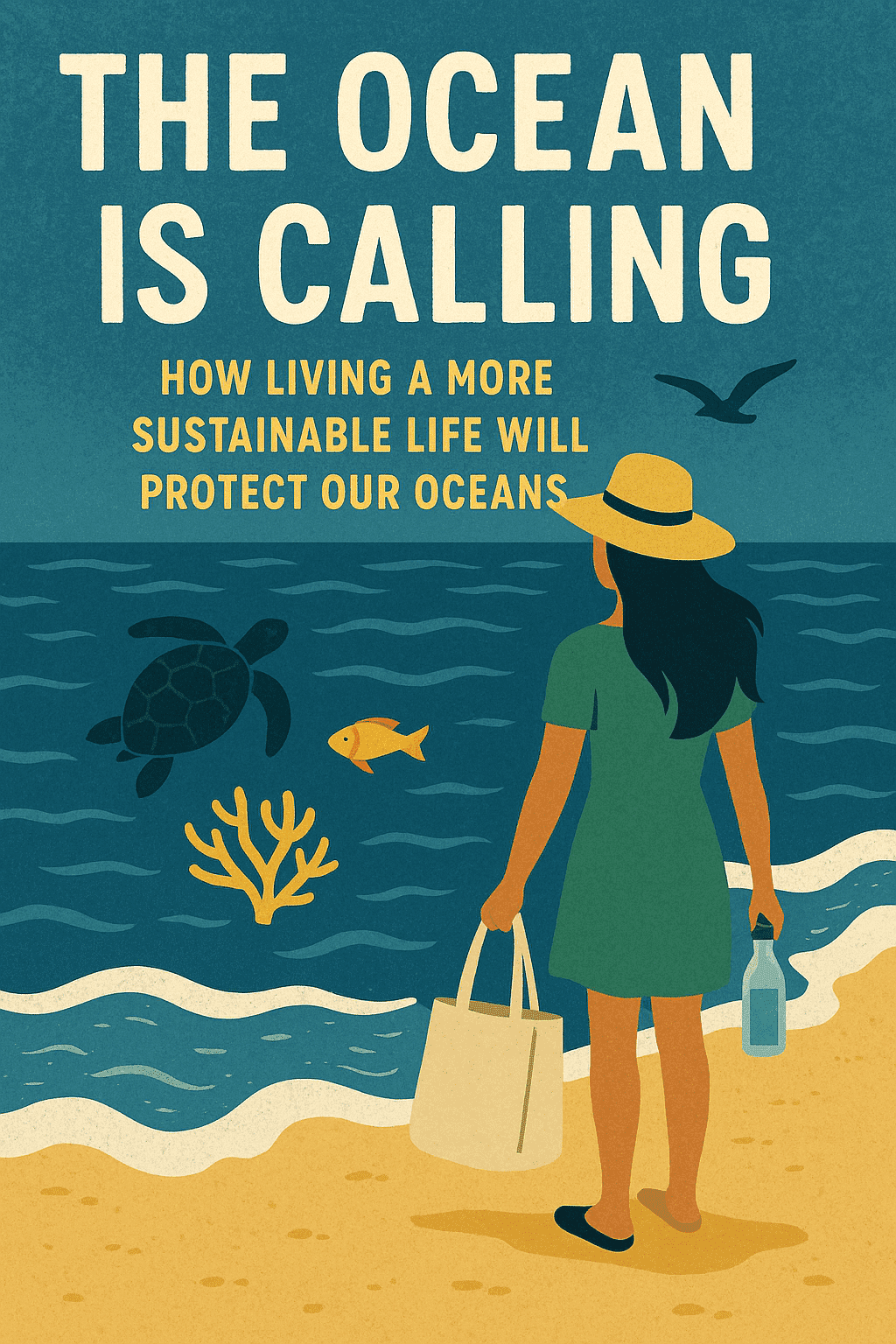
The ocean. Our beautiful, magnificent wonder that covers 70% of our planet. There is a
vast world beyond our depths within the deep, blue, beautiful seas. But it’s in danger. From
plastic pollution to rising temperatures, the choices of many people have had a profound impact
on our oceans. But there is hope.
The Plastic Problem
It’s hard to think about the large amount of plastic that we consume as humans; land
primarily ends up in our oceans. Single-use plastics — like water bottles, plastic shopping bags,
and straws — filter their way to our many aquatic environments. These plastics are not only
harming the environment, but killing wildlife as well.
What Can We Do?
– Say no to single-use plastics. Carry a reusable water bottle, coffee cup, and recycled
reusable shopping bags.
– Choose to reuse. Before you throw something away, think about how you might be able
to use it again.
– Support companies that use less plastic. When you’re shopping, choose products with
minimal or eco-friendly packaging.
What Are You Eating?
The way we source our food—primarily seafood—has a direct impact on the ocean’s
ecosystem. In recent years, we have had a large problem with overfishing, as well as many
fishing methods destroying coral reefs and other marine habitats. By making an informed
decision on the fish we eat and the ways we fish, we can cut the problem of many issues within
our aquatic ecosystems.
What Can We Do?
– Choose sustainable seafood. Look for certifications from organizations like the Marine
Stewardship Council (MSC) or use seafood guides to make informed choices.
– Eat lower on the food chain. Fish like sardines and anchovies are a great option because
they reproduce quickly and have less environmental impact.
– Consider a plant-based meal. Incorporating more plant-based meals into your diet
reduces the overall pressure on marine life.
The Power of Your Home
Every choice you make at home, from the products you use to clean or the power you
use, has a ripple effect. The chemicals from cleaning products, pesticides, etc., can end up in our
waterways and eventually our oceans. Our energy use also contributes to climate change, which
causes ocean temperatures to rise, threatening coral reefs and other habitats. Farm-raised fish can
be problematic due to potential environmental damage from waste and chemicals, the risk of
disease transmission to wild populations, the use of antibiotics that can lead to antibiotic
resistance, and potentially lower nutritional value compared to wild-caught fish.
What Can We Do?
– Use eco-friendly cleaning products. Choose natural, biodegradable options to prevent
harmful chemicals from entering our water supply.
– Conserve water and energy. Simple habits like taking shorter showers, turning off
lights, and unplugging electronics can make a big difference.
– Support clean energy. Look into how you can make the switch to a renewable energy
provider.
Fashion Doesn’t Have to Equal Pollution
The clothes we wear can have a significant impact on our oceans. Every year, millions of
tons of textile waste end up piling up in our landfills, as well as many of the harmful materials
shed off of the clothing, creating an even bigger pollution problem. Tiny microfibers travel from
our washing machines into rivers and eventually, the ocean. Marine animals ingest these
materials, and sadly, it destroys their digestive system, and it also introduces harmful toxins into
our food.
What Can We Do?
– Choose natural fabrics. When buying new clothes, opt for natural materials like cotton,
linen, or wool that don't release microplastics.
– Buy less and buy better. Invest in high-quality clothing that will last for years instead of
buying into fast fashion trends.
– Repair and donate. Mend clothes instead of throwing them away, and donate items you
no longer need to a thrift store or a textile recycling program.
Living a sustainable life isn't about perfection; it’s about making small, consistent choices
that collectively have a massive impact. By choosing to live more sustainably, you are not just
helping the environment—you are actively helping to protect the beautiful, vital oceans that give
our planet life.
