
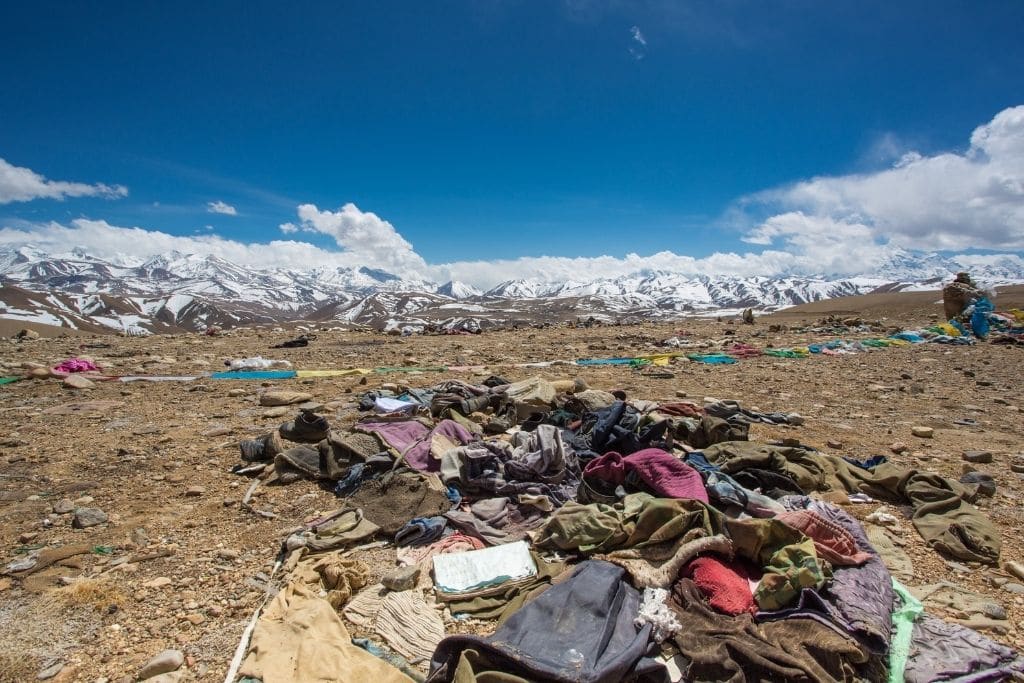
In a world where digital trends move faster than the seasons, our thirst for “newness” has created a global crisis. The convenience of fast fashion—trendy, low-cost apparel delivered at lightning speed—has transformed clothing from a long-term investment into a disposable commodity.
But while the price tag might be low, the hidden costs are being billed to the planet and the people who power the factories.
I. THE ANATOMY OF AN INDUSTRY
Fast fashion thrives on a high-volume, low-margin model. To keep prices at rock bottom, the industry relies on a “race to the bottom” regarding labor standards and material quality. It is a system built on:
- Hyper-Production: Constant “new arrivals” that encourage over-consumption.
- Cheap Synthetics: Heavy reliance on fossil-fuel-based fabrics like polyester.
- Outsourced Labor: Shifting production to regions with minimal oversight to slash costs.
II. THE DUAL CRISIS: SOCIAL & ECOLOGICAL
The Human Toll
The industry is currently facing a global human rights crisis. Workers—80% of whom are women—often endure:
- The Wage Gap: In 2019, despite public promises, zero top brands could prove they paid a living wage across their supply chains.
- Systemic Danger: A decade after the Rana Plaza disaster, factory safety remains a secondary priority to speed.
- Exploitation: Extreme hours and lack of job security are the standard, not the exception.
The Ecological Footprint
Our closets are essentially environmental “hotspots.”
The 2,700-Liter T-Shirt: It takes as much water to make one cotton t-shirt as a human drinks in three years.
- Carbon & Climate: The textile sector generates up to 10% of global emissions.
- Microplastic Pollution: Washing synthetic clothes releases millions of plastic fibers into our oceans.
- The Landfill Crisis: Every year, 11 million tons of textiles end up in U.S. landfills. Most will not decompose, instead releasing methane—a potent greenhouse gas.
III. THE “GREENWASHING” SMOKESCREEN
As consumers demand better ethics, many brands have turned to Greenwashing. This is the practice of making deceptive claims about environmental sustainability.
- The Reality: Nearly 40% of “green” claims in fashion are found to be misleading.
- The Tactic: Using terms like “Conscious” or “Eco” without third-party verification to distract from the mass-production model that remains unchanged.
FINAL VERDICT: SIGNS TO WATCH FOR
If you aren’t sure if a brand is “fast fashion,” check these red flags:
- Massive Catalogues: Thousands of styles live on the site at once.
- Unbelievable Prices: If it’s cheaper than a cup of coffee, someone else is paying the price.
- Flash Sales: Pressure tactics (timers, “limited stock”) to force impulsive buys.
- Poor Transparency: Vague statements about where and how items are made.
A Note on Longevity: Don’t underestimate the power of Upcycling. Transforming an old dress into a top or mending a favorite pair of jeans isn’t just a hobby—it’s an act of environmental resistance. By treating our clothes as valuable resources rather than trash, we pave the way for a future where style no longer costs the Earth.
